 Gaiole in Chianti
 Badia a Coltibuono
Chianti Classico DOCG

Chianti Classico
Castle country: Brolio, Meleto, Vertine and the abbey of Coltibuono in the wooded south-east.
Gaiole itself is a small market town in a valley, but the comune around it is castle country. Brolio, the Ricasoli family’s fortress, rises above its vineyards on the southern edge; it was Baron Bettino Ricasoli who, in the nineteenth century, set down the blend that became the model for Chianti. Meleto, Vertine, Spaltenna and Barbischio are all within a short drive, each a medieval stronghold now given over to wine, hospitality or simply village life. Several can be visited: Brolio’s gardens and cellars are open to the public, and many of the estates around Gaiole offer tastings and tours.
To the north, Badia a Coltibuono is an eleventh-century Vallombrosan abbey turned wine estate, with a restaurant and cellars set among the woods. To the south-west, Castello di Ama pairs its Chianti Classico with a collection of site-specific contemporary art, commissioned from international artists and placed across the estate.
The Gaiole UGA is one of the largest in the zone, with some 1,320 hectares of vines on varied ground — sandstone in the east, alberese limestone in the centre and west, sand in the south — so the wines range from lean and bright to fuller and fleshier.
In early October, L’Eroica brings thousands of riders on vintage bicycles to Gaiole for its rides over the white gravel roads of Chianti; the town is its home and its finishing line.
UGA
1,320 ha of vineyard
A large, varied UGA between about 300 and 500 metres: sandstone in the east, alberese in the centre and west, sand in the south. Lean and bright in the centre, fleshier in the south.
Gaiole in Chianti Chianti Classico DOCG
 Gaiole in Chianti
 Chianti Classico DOCG · Contemporary Art
 Gaiole in Chianti
 Chianti Classico DOCG · Est. 1141
 Gaiole in Chianti
 Chianti Classico DOCG · Winery & Distillery
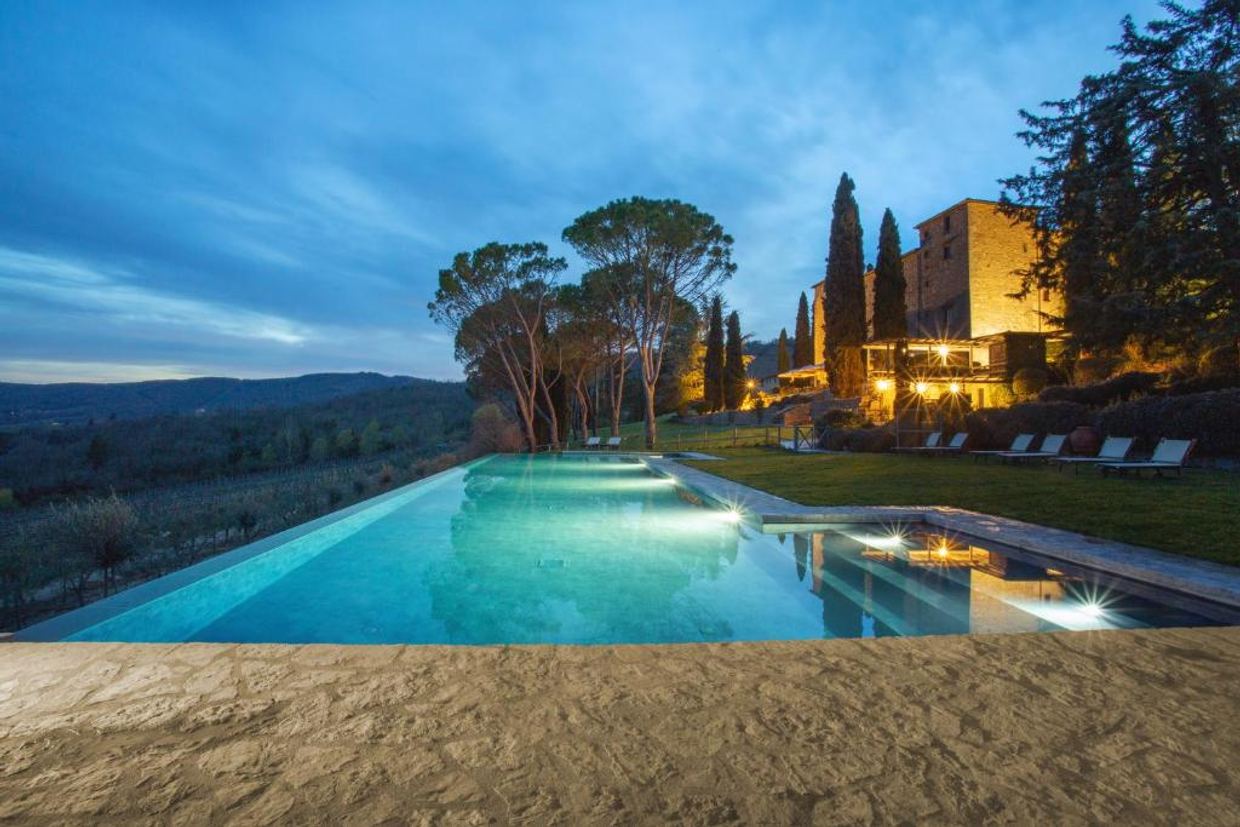
Small Luxury Hotels of the World · 12th-Century Castle
A Romanesque pieve and castle complex transformed into one of the zone’s most intimate luxury hotels, with some 38 rooms. Il Pievano, holder of one MICHELIN star under chef Antonio Iacoviello, draws guests from across Tuscany; the cellar is exceptional. Rooms in the converted castle buildings retain thick stone walls and remarkable stillness.
spaltenna.it · +39 0577 749483 · Read more →
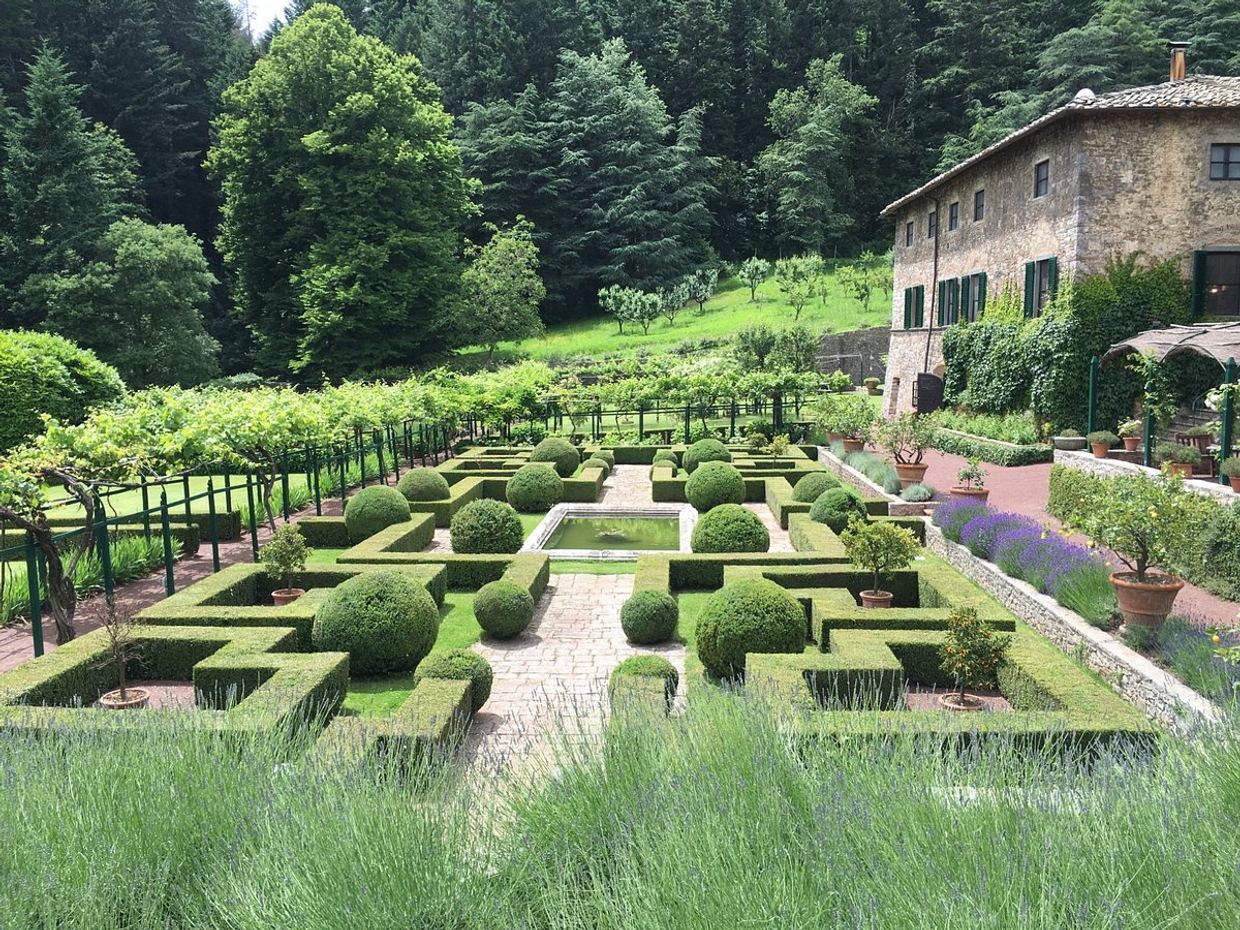
Abbey Agriturismo · Self-Catering
Stay within the grounds of the 11th-century Benedictine abbey that produces some of Chianti Classico’s most elegant wines. Apartments in the converted monks’ quarters sleep two to six, with access to the gardens and the estate’s oil and wine. Cooking courses run by the Stucchi Prinetti family are legendary.
coltibuono.com · +39 0577 74481 · Read more →
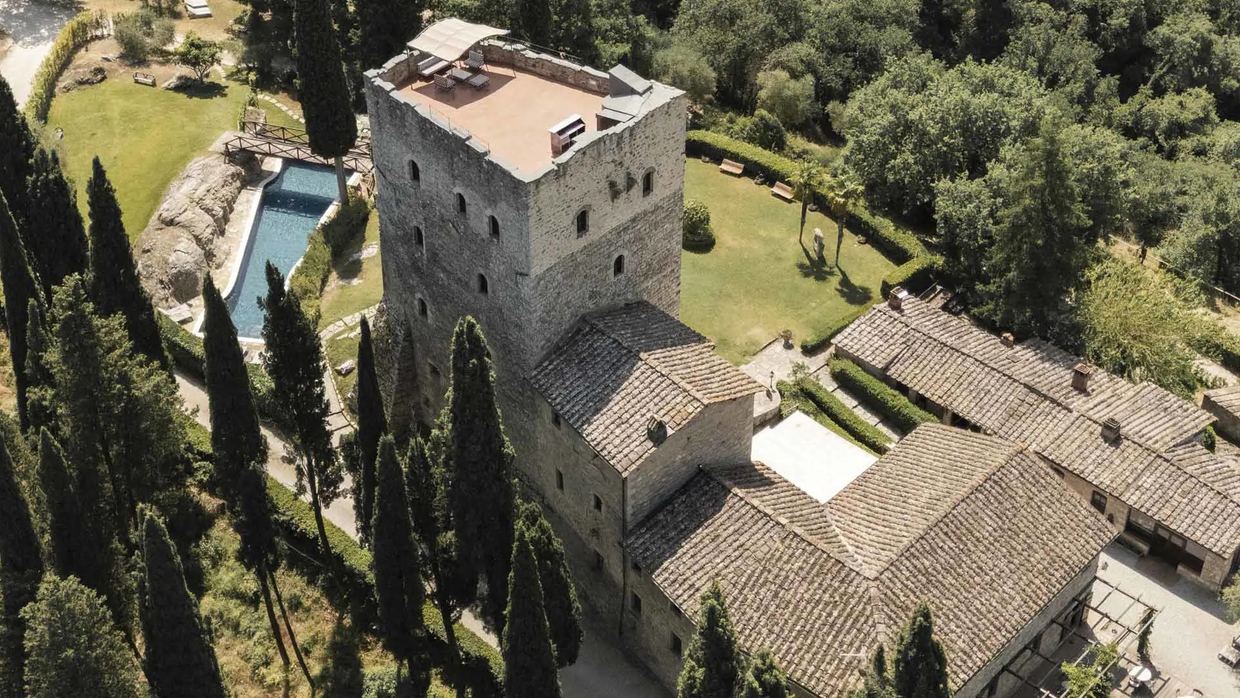
Medieval Castle · Agriturismo
Authentic and wonderfully atmospheric — a working medieval castle with rooms in the converted outbuildings and one unforgettable suite within the 11th-century tower itself. The estate produces its own Chianti Classico, and the views from the tower over the valley are remarkable. One of the most honest and characterful places to stay in the zone.
castellotornano.it · +39 0577 746067 · Read more →

Estate restaurant · Castello di Brolio
Eating within the grounds of Castello di Brolio — one of Italy’s oldest wine estates and the birthplace of modern Chianti — is an experience few dining rooms can rival for sheer historical context.

1 MICHELIN star · Castello di Spaltenna
1 MICHELIN StarThe MICHELIN-starred restaurant within the walls of the 12th-century Castello di Spaltenna is one of the most atmospheric dining rooms in Chianti — stone vaults, candlelight and a cellar of extraordinary depth.

Abbey restaurant · cooking school
The restaurant of the 11th-century abbey estate draws on the kitchen garden, the estate’s own oil and wine, and the Tuscan culinary tradition championed by Lorenza de’ Medici, who made Coltibuono’s cooking school world-famous — the school is still running today.
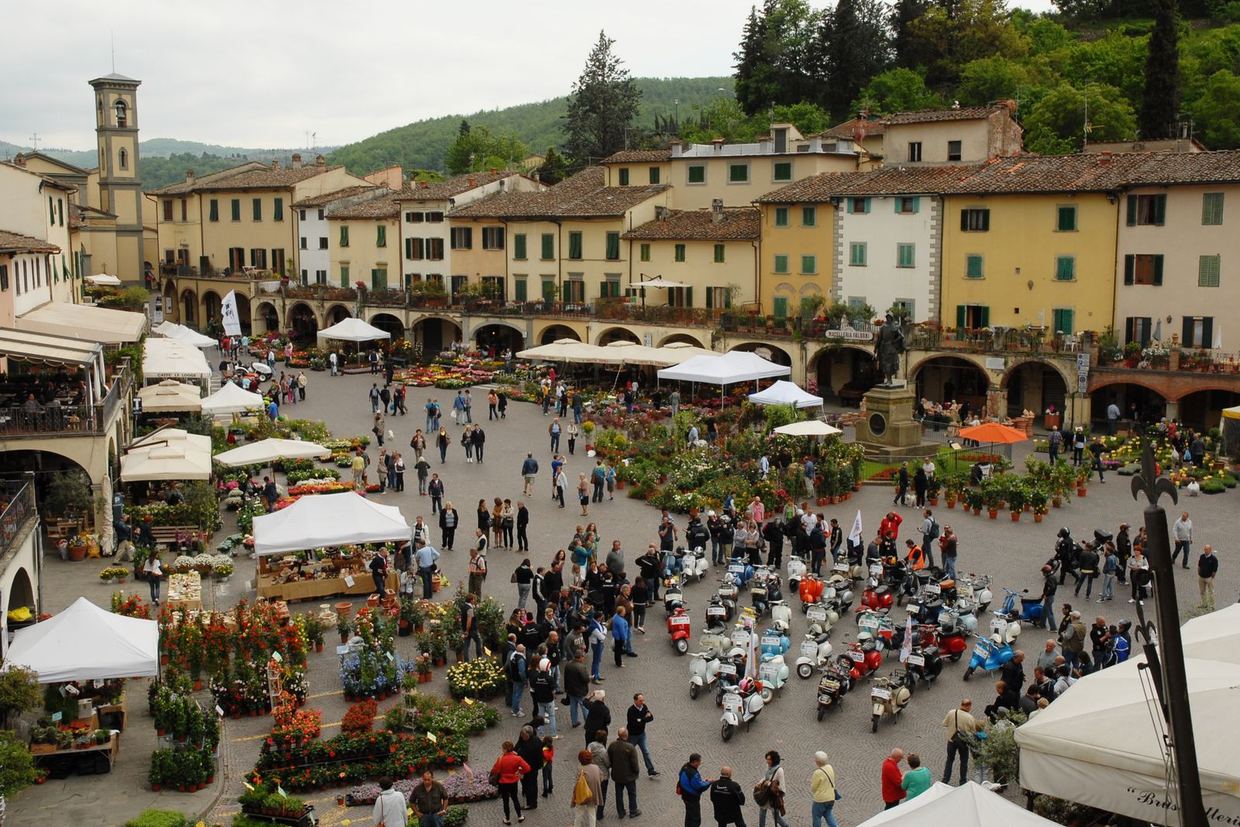
The market town of the Florentine Chianti: an arcaded piazza, a Saturday market and four UGAs.
9 places →
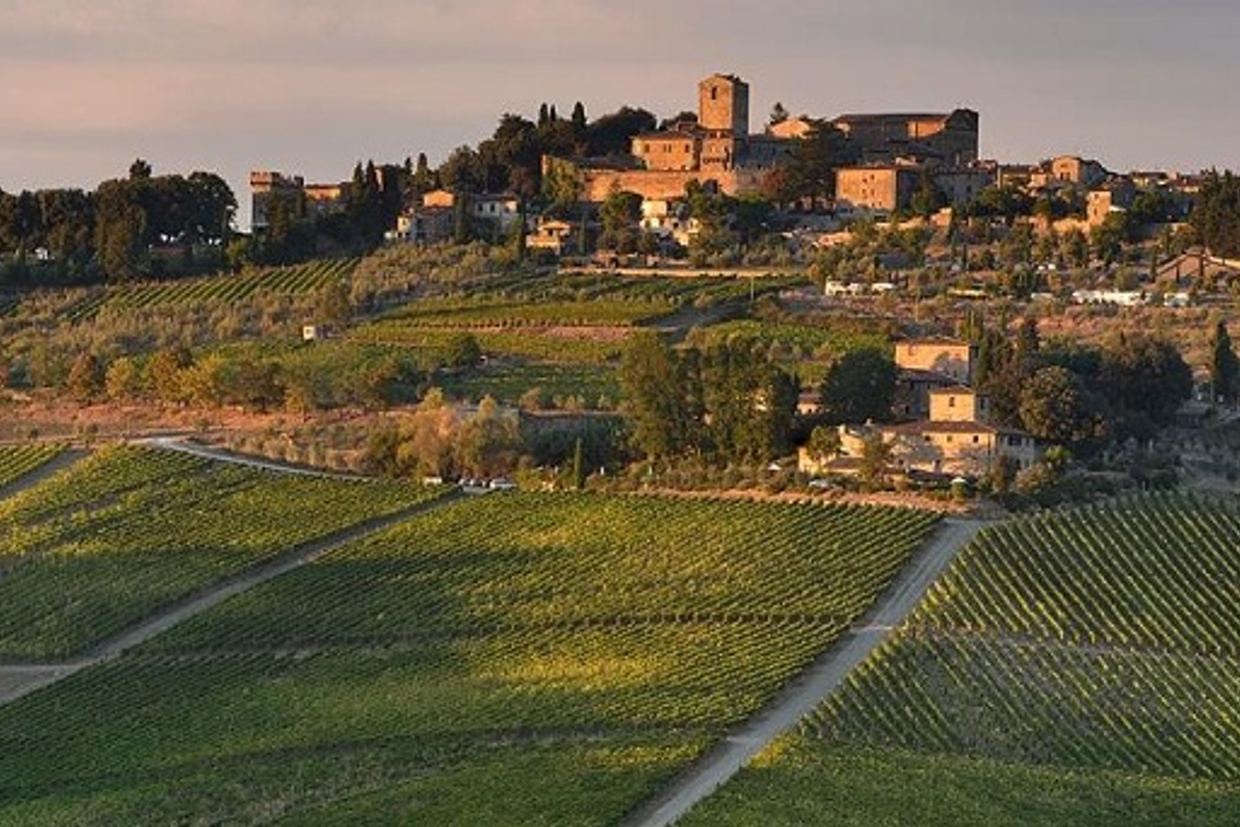
Greve’s hilltop village above the Conca d’Oro, where organic Sangiovese and Dario Cecchini’s table meet.
5 places →
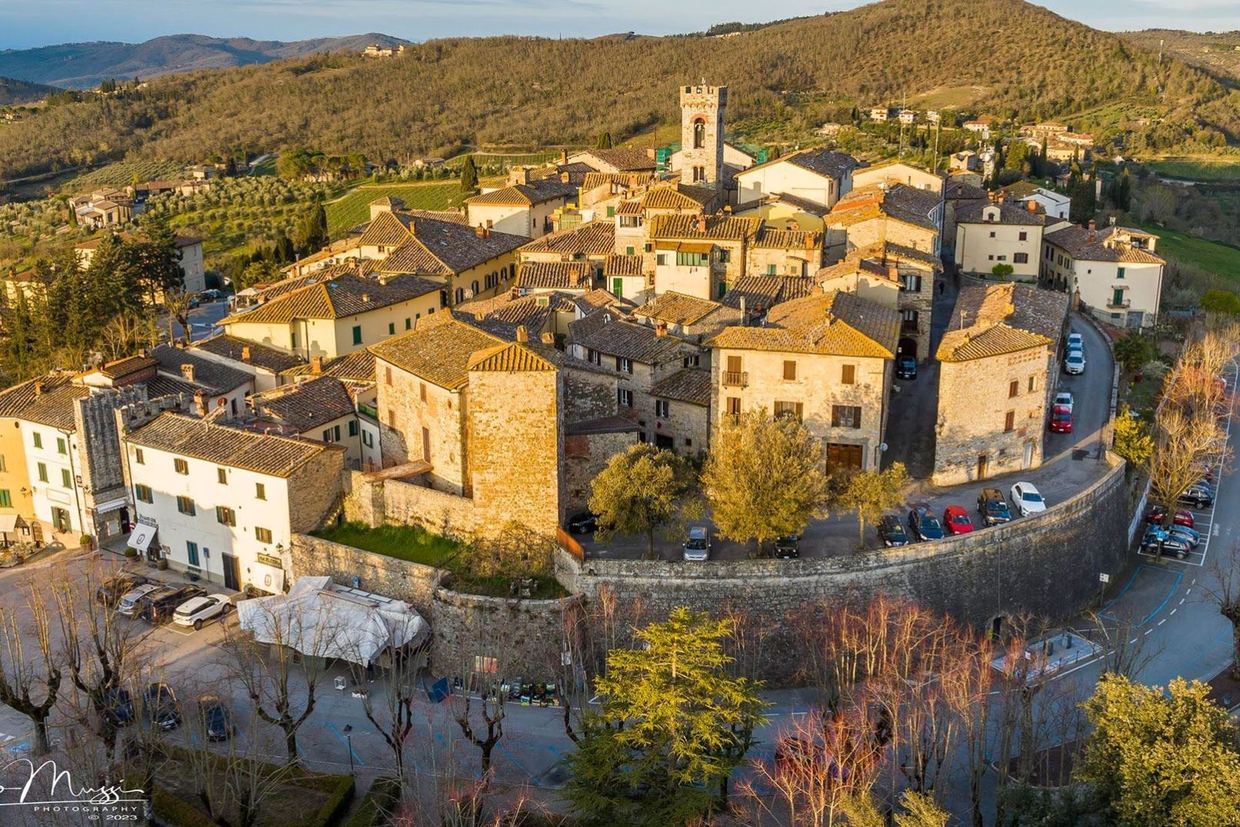
The walled seat of the medieval Lega del Chianti: high, cool and elegant in the glass.
4 places →
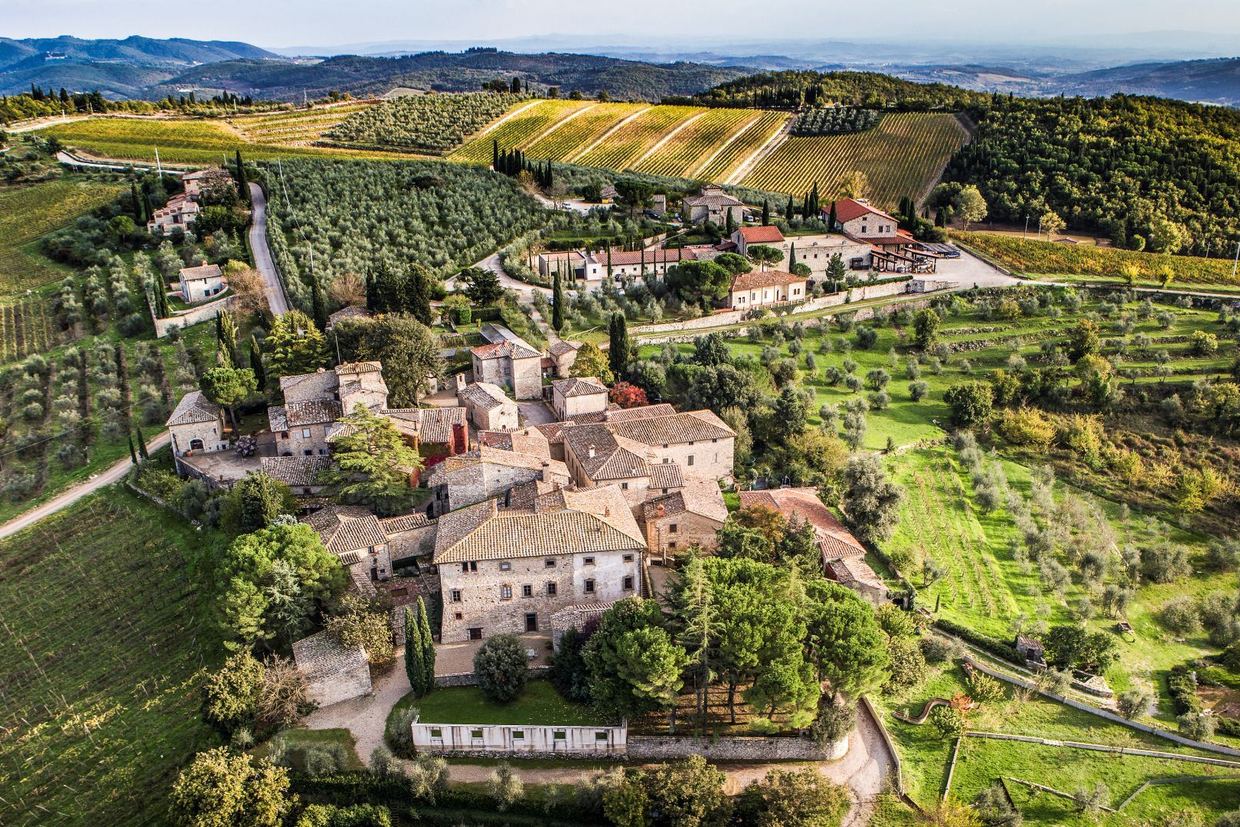
An Etruscan hill town on the Florence–Siena ridge, with the largest vineyard area of any UGA.
3 places →
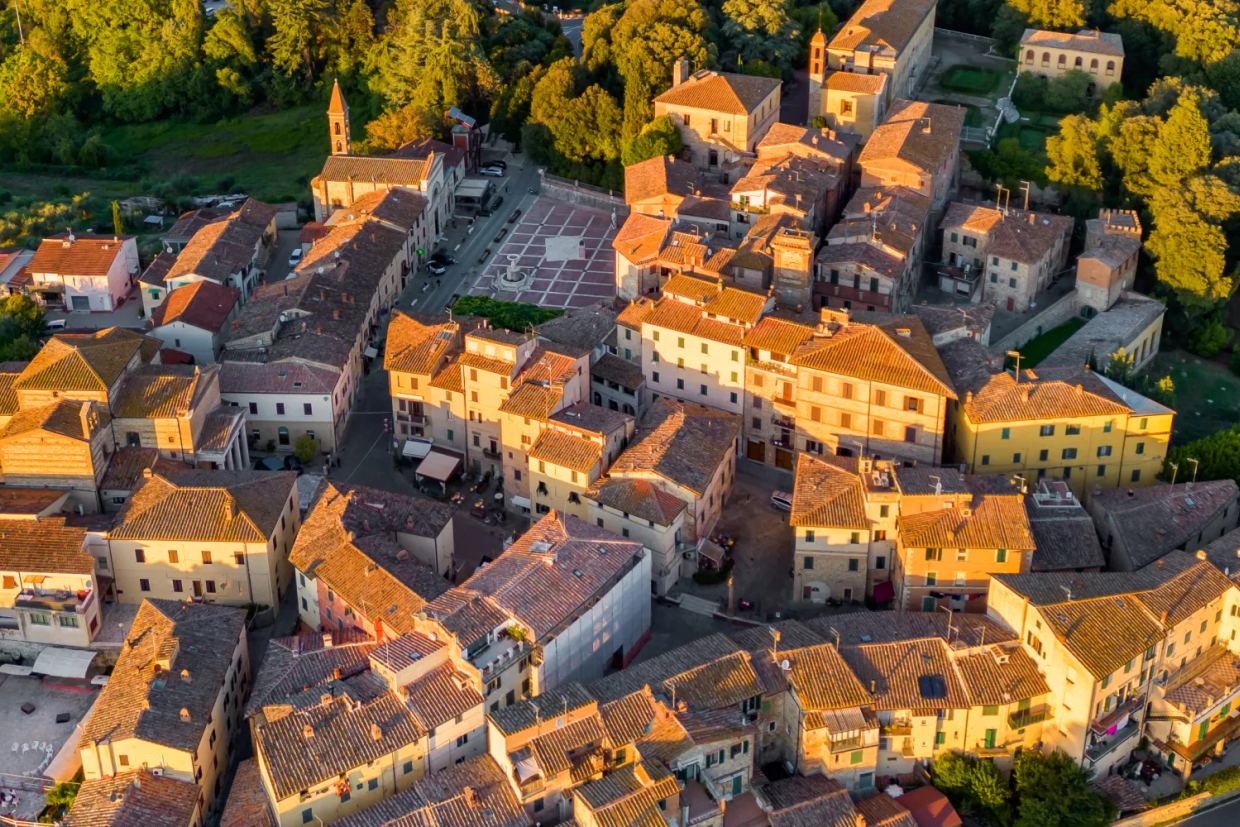
Chianti’s city of Sangiovese: warm southern slopes where the grape ripens fullest, just outside Siena.
12 places →
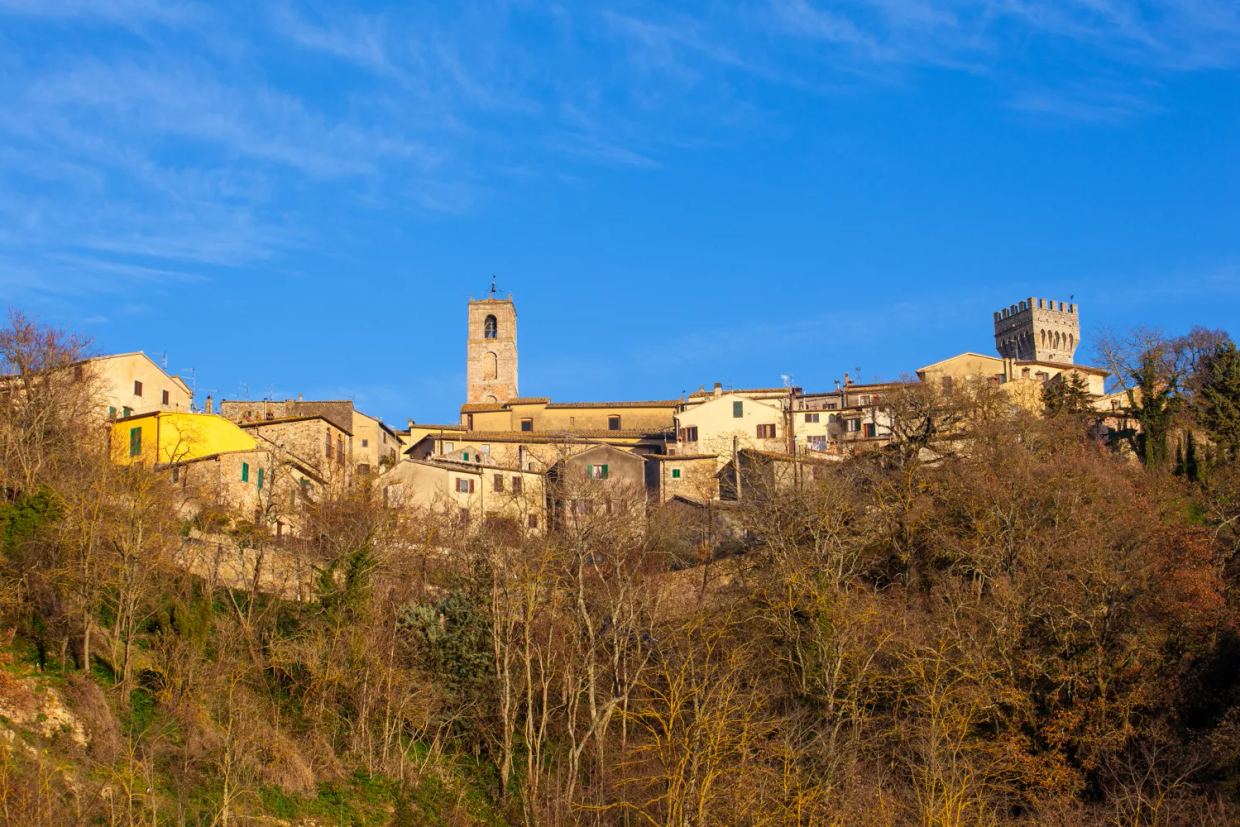
The northern gate from Florence: walls and towers, Machiavelli’s exile and Antinori’s cellar in the hill.
1 places →
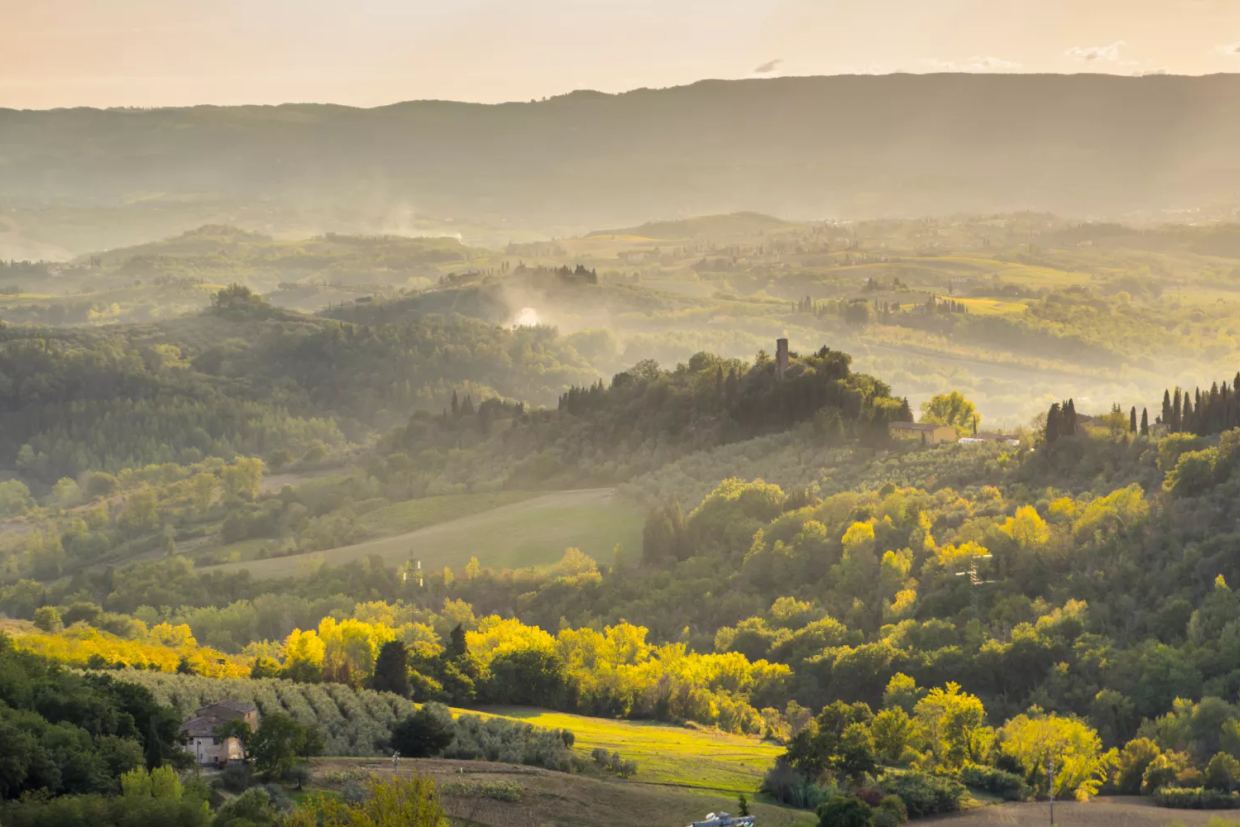
The western comune of abbeys and walled borghi: Badia a Passignano, San Donato in Poggio, Castello del Nero.
5 places →